
In-House Editing vs Outsourcing? The Real Trade-Off
On paper, keeping video editing in-house feels efficient. You already have the team, the software licences, and full creative control. But for many agencies and in-house creative teams, post-production quietly becomes a bottleneck — slowing campaigns, draining senior time, and inflating costs in ways that don’t always show up on a spreadsheet.
This is where outsourced video editing shifts to a strategic decision. Not as a replacement for your creative team, but as a way to protect their time, focus, and output.
Why In-House Editing Often Becomes a Bottleneck
Creative directors and leads rarely just “review” edits. They troubleshoot timelines, fix inconsistencies, adjust pacing, and jump in when deadlines slip. That might seem manageable — until it becomes routine.
Over time, highly paid senior creatives spend hours:
- Tweaking timelines instead of shaping concepts
- Managing revisions instead of guiding strategy
- Solving technical issues instead of pushing creative quality
That opportunity cost is rarely calculated, but it’s very real.
Context Switching Kills Momentum
Editing requires deep focus. When editors are constantly pulled between projects, formats, and internal feedback loops, quality suffers and delivery slows. This is especially true for fast-moving marketing teams juggling multiple stakeholders and platforms.
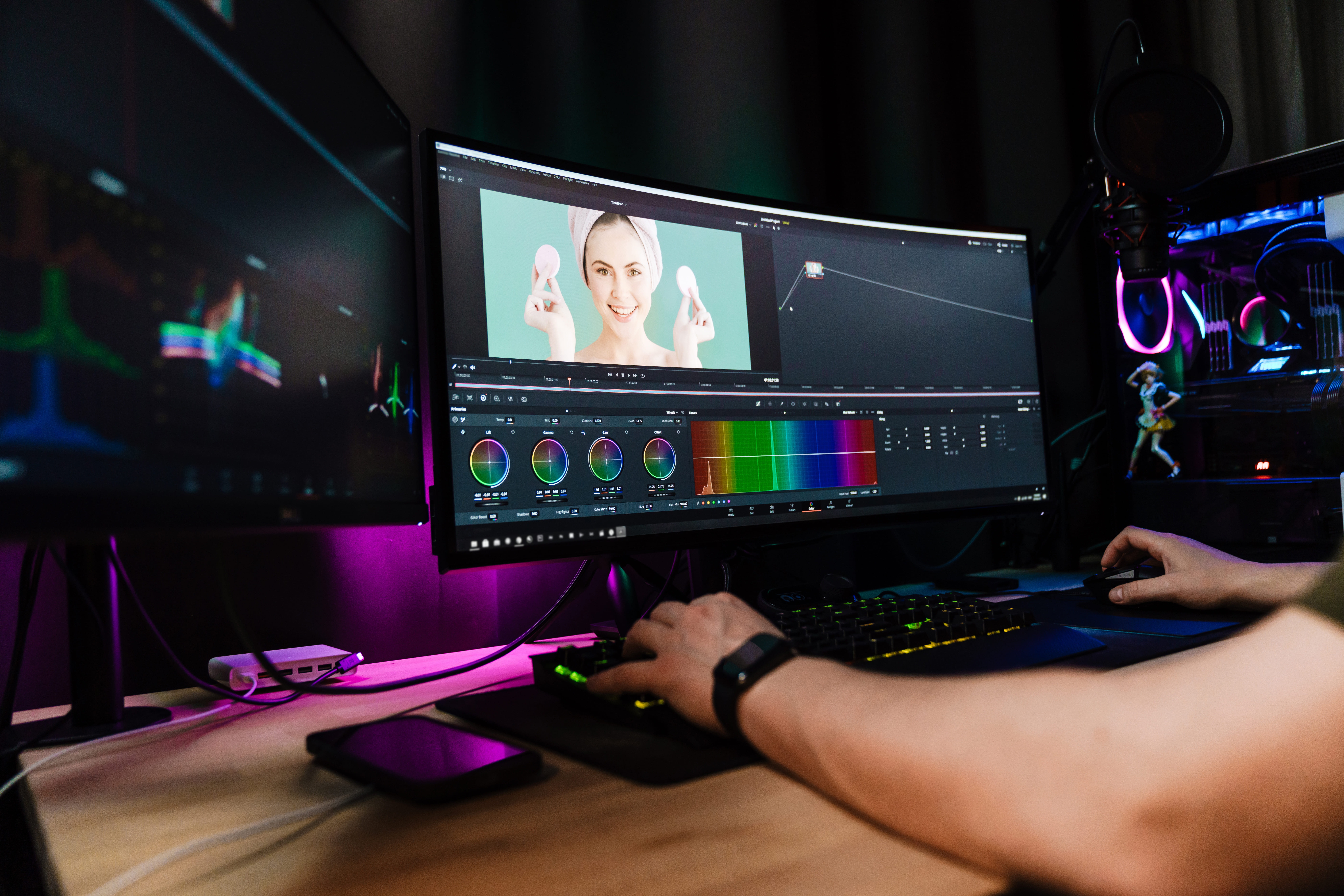
Salary vs Output Mismatch
Hiring a full-time editor isn’t just about salary. You’re also paying for downtime between projects, ramp-up periods, and the inevitable peaks where one person simply can’t keep up.
Outsourcing allows you to scale editing capacity up or down without carrying fixed overheads.
Tooling, Updates, and Workflow Maintenance
Post-production doesn’t stand still. New codecs, evolving formats, and heavier files mean constant upgrades. Add to that the need for efficient proxy workflow setups to handle large footage without slowing everything down, and internal systems quickly become fragile.
Specialist external teams already operate optimised workflows — so you don’t have to maintain them internally.
What You Gain by Outsourcing Post-Production
Outsourcing post-production shifts editing from a reactive, time-consuming task into a structured support layer. Instead of firefighting timelines or chasing revisions, your team gains a reliable delivery engine that works in the background.
The result is smoother workflows, fewer internal interruptions, and more space for strategic thinking.
Creative Leads Get Their Time Back
The biggest win isn’t cheaper edits — it’s reclaimed focus. When execution is handled externally, creative directors can stay where they add the most value: concept development, client strategy, and brand storytelling.
Consistency at Scale
Outsourced teams work to defined brand and technical guidelines. This makes it easier to maintain consistent colour, pacing, and sound across large volumes of content — something that’s hard to guarantee when internal teams are stretched.
Services like dedicated color grading services and professional sound design ensure every asset meets the same quality bar, regardless of volume.
Common Concerns (And Why They’re Usually Unfounded)
“We’ll Lose Creative Control”
In reality, most outsourced setups work on a clear brief-and-review model. You retain creative direction, tone, and final approval — without doing the manual work yourself.
“It Won’t Feel Integrated with Our Team”
With white-label video editing, outsourced editors operate as an extension of your brand. Files, naming conventions, feedback cycles, and even client-facing delivery can all be handled under your agency’s identity.
When Outsourcing Makes the Most Sense
Outsourcing post-production is particularly effective when:
- Your team produces content at variable volumes throughout the year
- Senior creatives are regularly pulled into hands-on editing
- Turnaround speed matters more than internal ownership
- You need specialist skills without permanent hires
This isn’t about replacing in-house talent — it’s about protecting it.

How Outsourced Editing Improves Financial Efficiency
Financial efficiency in video post-production isn’t just about lower rates — it’s about reducing waste. Outsourced editing removes the hidden costs of internal delays, context switching, and reactive overtime.
Faster Turnarounds, Fewer Revisions
External teams, built around editing, move faster by default. Clear briefs, established workflows, and focused execution reduce the back-and-forth that often inflates internal timelines.
Predictable Costs
Instead of absorbing hidden overtime, missed deadlines, or delayed campaigns, outsourcing turns post-production into a predictable line item — easier to budget and easier to justify.
Building a Hybrid Model That Actually Works
The most effective teams don’t choose between in-house or outsourced editing. They combine both.
In-house teams:
- Define creative direction
- Own brand strategy
- Review and approve final outputs
Outsourced teams:
- Handle execution at scale
- Manage technical workflows
- Deliver polished, ready-to-use assets
This hybrid approach removes friction without sacrificing control.
Conclusion
In-house editing isn’t inherently inefficient, but when it becomes a bottleneck, it quietly erodes creative output and senior focus. The hidden cost isn’t the edit itself; it’s what your best people stop doing because they’re stuck managing timelines.
If your team is feeling stretched, exploring outsourced video editing may be the most cost-effective creative decision you make this year.
FAQ
What is outsourced video editing?
Outsourced video editing is a delegation of post-production tasks: cutting, colour correction, sound design, and formatting, to an external specialist team. This allows in-house creatives to focus on strategy and creative direction while execution is handled efficiently off-site.
Is outsourced video editing more cost-effective than in-house editing?
In many cases, yes. While hourly rates may appear similar, outsourcing removes hidden costs like overtime, workflow delays, software maintenance, and senior creative time spent troubleshooting edits. It also allows teams to scale editing capacity without committing to fixed salaries.
Will we lose creative control if we outsource post-production?
No. Outsourced editing setups work from detailed briefs, brand guidelines, and structured feedback rounds. Creative direction, tone, and final approval remain with your team — the external editors simply execute to spec.
Can outsourced editors match our brand style and quality?
Yes, with clear brand guidelines, reference videos, and review processes, outsourced teams deliver consistent results. Splento also offers white-label video editing, meaning all outputs appear fully under your brand.

Leon
Leon is an award-winning videographer and the driving creative force behind Splento’s video production team. With over a decade of experience, he has a deep-rooted passion for visual storytelling — capturing everything from high-impact corporate events to personal, unforgettable moments. Known for his precision, narrative clarity, and keen eye for detail, Leon transforms every brief into a compelling visual story that makes people stop, watch, and remember.