How Immersive Walkthrough Content Is Redefining Buyer Expectations
The way people explore spaces has fundamentally changed. Whether it’s a potential buyer browsing commercial property, a guest choosing a hotel, or a customer discovering a retail brand, first impressions now happen online. Static images alone are no longer enough to communicate scale, atmosphere, or flow. This shift has driven rapid demand for visual tours — immersive, video-led experiences that allow audiences to explore locations before they ever step inside.
Across property, retail, and hospitality, visual tours are becoming essential marketing assets. They meet digital-first expectations, shorten decision cycles, and build trust long before a conversation begins.
The Rise of Visual Tours in a Digital-First Market
Buyers today expect clarity, transparency, and realism. They want to understand how a space feels, not just how it looks in a single frame. This is where property visual tour content, retail walkthrough video, and hospitality tour video formats outperform traditional photography.
Unlike static imagery, visual tours provide context. They show how rooms connect, how customers move through a store, and how light, layout, and design elements interact in real life. For decision-makers, this removes uncertainty and helps qualify interest earlier in the journey.
From an SEO and UX perspective, video-based location content also keeps users engaged for longer, improves dwell time, and supports higher-intent enquiries — all signals that modern search engines value.
Visual Tours Build Trust Before the First Visit
Trust is one of the biggest barriers in high-value decisions such as leasing property, booking accommodation, or committing to a retail brand. A professionally produced location showcase video gives viewers confidence that what they see online matches reality.
For estate agents and commercial property owners, this means fewer wasted viewings and better-qualified leads.
For hotels and hospitality brands, it reduces booking hesitation.
For retail, it communicates brand quality and consistency across locations.
They Reflect How People Actually Buy Today
Modern buyers research extensively before making contact. Visual tours support this behaviour by offering immersive previews that answer unspoken questions:
Is the space easy to navigate?
Does it feel premium or practical?
Does it align with my expectations?
In many cases, a high-quality virtual tour production can replace multiple early-stage conversations, allowing sales teams to focus on serious prospects.
Industry Use Cases: How Visual Tours Deliver Real Value
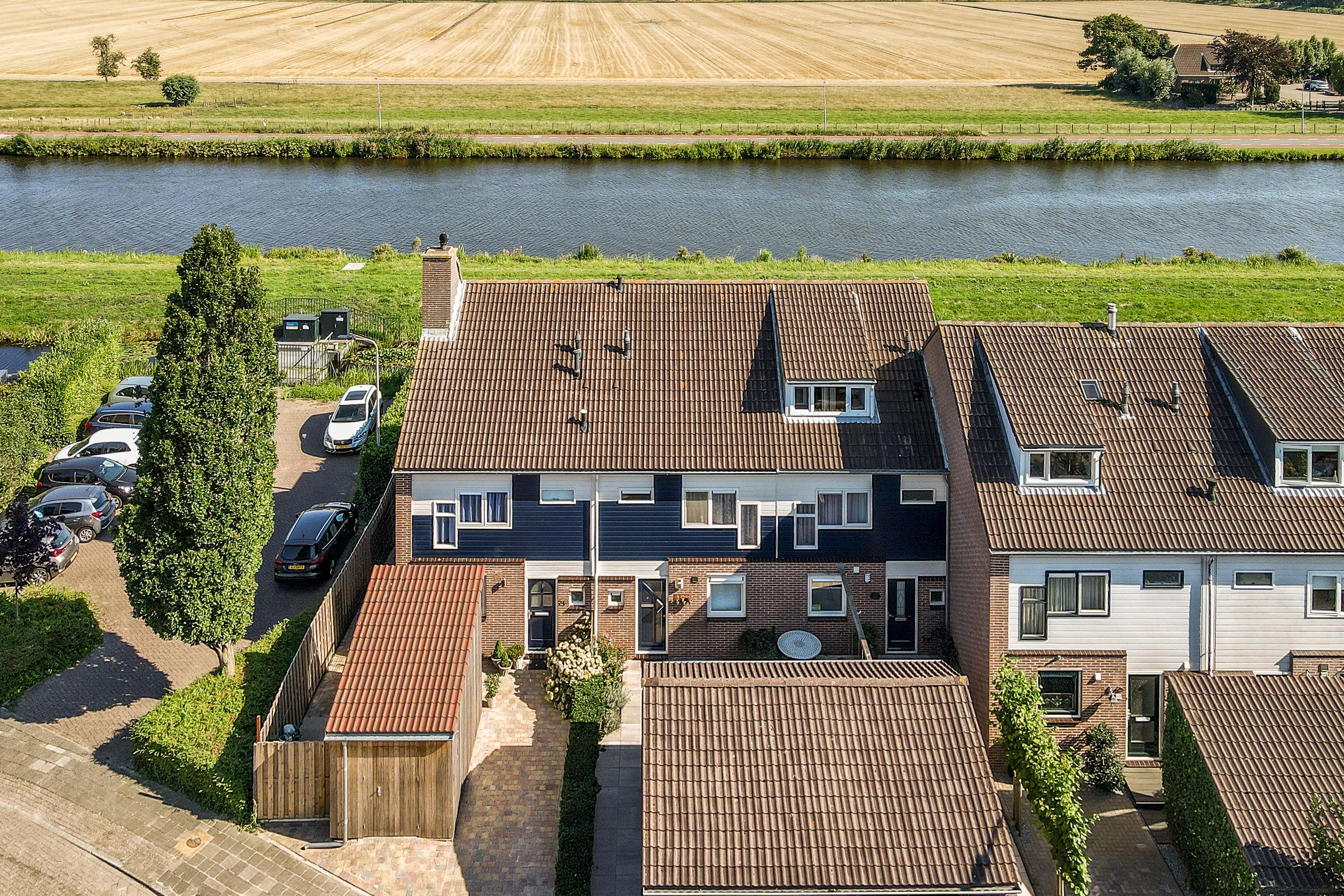
In commercial and residential property marketing, visual tours are transforming how spaces are presented. A well-produced walkthrough shows scale, ceiling height, layout logic, and surrounding context far better than stills.
For estate agents and developers, property visual tour content:
- Attracts higher-intent enquiries
- Reduces unnecessary physical viewings
- Helps overseas or remote buyers make confident decisions
It also supports investor presentations, planning approvals, and long-term asset marketing.
Retail & Showrooms: Experience Before the Visit
Retail brands increasingly rely on showroom video tours and retail walkthrough video content to communicate more than just products. These tours showcase merchandising strategy, customer flow, lighting, and brand atmosphere.
For flagship stores and pop-ups, visual tours become part of the brand story — reinforcing positioning and driving footfall by setting expectations before customers arrive.
Hospitality: Selling the Feeling, Not Just the Room
Hospitality decisions are emotional. Guests are choosing an experience, not just a bed. A compelling hospitality tour video brings together rooms, communal areas, dining spaces, and surroundings into a single narrative.
Hotels, serviced apartments, and venues use visual tours to:
- Increase direct bookings
- Reduce reliance on third-party platforms
- Showcase upgrades, refurbishments, or new openings
The result is higher perceived value and stronger brand differentiation.
.jpg)
What Makes a Visual Tour Truly Effective
While it may be tempting to create walkthroughs in-house, quality matters. Lighting, camera movement, pacing, and editing all influence how a space is perceived. Poorly produced tours can do more harm than good.
A professional visual tour balances realism with storytelling. It guides the viewer naturally, highlights key features without distraction, and reflects the brand’s tone — whether that’s premium, welcoming, or contemporary.
Strategic Structure and Storytelling
Effective immersive brand tours are not random walkthroughs. They are carefully planned to mirror how someone would naturally explore the space. This includes:
- Logical flow between areas
- Clear visual hierarchy
- Subtle emphasis on differentiators
Why Visual Tours Perform Better Than Static Content
Visual tours combine the clarity of photography with the engagement of video. They work across multiple touchpoints: websites, social media, email campaigns, sales decks, and property listings.
Compared to static galleries, they:
- Hold attention for longer
- Communicate more information in less time
- Create an emotional connection
- Support faster decision-making
For brands focused on performance, visual tours are one of the most efficient ways to showcase physical spaces online.
Choosing the Right Production Partner
Producing high-quality visual tours requires more than technical skill. It demands an understanding of business goals, audience expectations, and how the content will be used across channels.
At Splento, visual tour projects are approached as strategic assets, not standalone videos. Each production is carefully planned to align with marketing objectives, brand identity, and real-world buyer behaviour. This ensures the final content works just as hard as any other conversion-focused marketing tool.
With experience across property, retail, and hospitality environments, Splento delivers polished location showcase video content that feels authentic, professional, and purpose-driven — supported by reliable coordination and fast turnaround.

Conclusion
Visual tours are no longer a trend — they are a response to how people discover, evaluate, and choose spaces today. As digital-first expectations continue to rise, brands that invest in professional walkthrough content gain a clear advantage.
For estate agents, retailers, hospitality brands, and property owners, visual tours offer a powerful way to build trust, shorten sales cycles, and present spaces with clarity and confidence. When produced professionally, they become long-term assets that support marketing, sales, and brand positioning.
If you’re looking to elevate how your locations are presented online, explore our visual tour services and see how immersive walkthrough content can transform the way audiences experience your space.
FAQ
What is a visual tour and how does it differ from a virtual tour?
A visual tour is a professionally produced video walkthrough that showcases a real location in motion, highlighting layout, atmosphere, and key features. Unlike interactive 360° virtual tours, visual tours focus on guided storytelling, smooth camera movement, and brand-led presentation.
Which businesses benefit most from visual tours?
Visual tours are especially valuable for estate agents, commercial property owners, hotels, serviced apartments, retail brands, and architecture firms. Any business that relies on showcasing physical space can use visual tours to attract higher-intent enquiries, reduce unnecessary site visits, and help audiences understand the space before making contact.
Where can visual tour videos be used once produced?
A single visual tour can be used across multiple channels, including your website, property listings, social media, email campaigns, sales presentations, and digital ads. This makes visual tours a highly efficient content investment, supporting both marketing and sales activity over time.
Leon
Leon is an award-winning videographer and the driving creative force behind Splento’s video production team. With over a decade of experience, he has a deep-rooted passion for visual storytelling — capturing everything from high-impact corporate events to personal, unforgettable moments. Known for his precision, narrative clarity, and keen eye for detail, Leon transforms every brief into a compelling visual story that makes people stop, watch, and remember.